
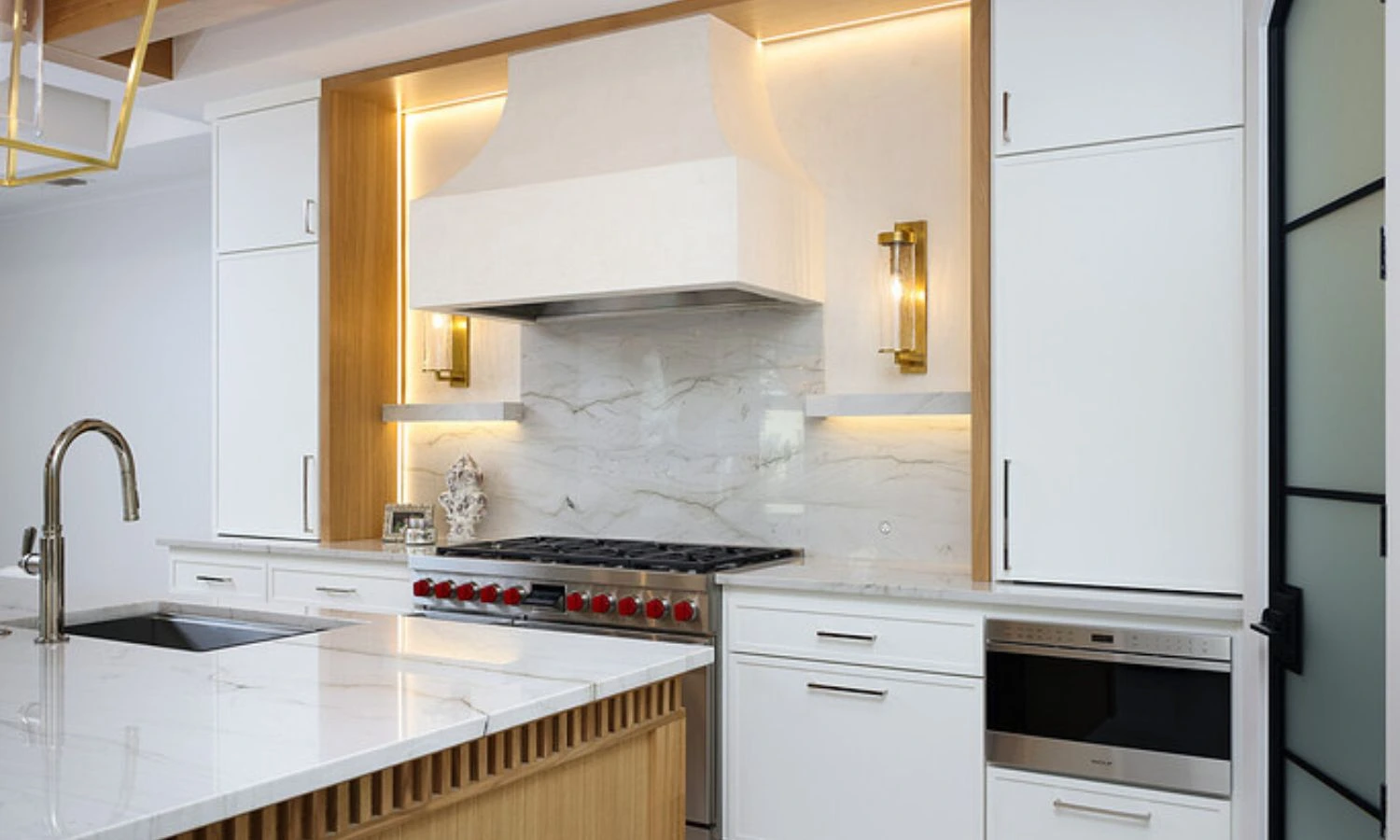
If you’re preparing to sell, a kitchen remodel can feel like the biggest “should we or shouldn’t we?” decision. The kitchen is where buyers form fast opinions and where sellers can spend too much money too quickly if the plan isn’t tied to the market.
Here’s the practical answer: a kitchen renovation is often worth it when it removes clear buyer objections (dated finishes, poor lighting, visible wear, awkward functionality) without overbuilding for your neighborhood or missing your listing timeline.
This guide is written for homeowners in San Antonio and nearby communities (including Boerne and Fair Oaks Ranch) who want pre-sale ROI guidance—not trend chasing. You’ll learn how to choose the right scope, where money tends to matter most, and when it’s smarter to do less.
Table of Contents
- Quick Answer: When a Kitchen Renovation Is (and Isn’t) Worth It
- Why the Kitchen Drives Buyer Perception
- How a Pre-Sale Kitchen Renovation Is Different From a “Forever Home” Remodel
- 3 Renovation Levels (Refresh, Targeted Upgrade, Full Renovation)
- A Simple ROI Framework to Decide What to Do
- Signs Renovation Is Justified Before You Sell
- When a Kitchen Renovation Is Not the Right Move
- San Antonio-Area Considerations (Buyers, Style, Expectations)
- Upgrades That Usually Move the Needle the Most
- Timeline and Planning: What to Do First
- How to Market the Kitchen After the Work Is Done
- Common (Costly) Pre-Sale Mistakes to Avoid
- Frequently Asked Questions
- Conclusion + Next Step
Quick Answer: When a Kitchen Renovation Is (and Isn’t) Worth It
A kitchen renovation is worth it before selling when the current kitchen creates hesitation that affects offers such as visible wear, dated materials, poor lighting, or a layout that feels hard to live with, and the renovation scope is sized to your price point and buyer expectations.
A kitchen renovation is usually not worth it when you can’t protect the listing timeline, the neighborhood won’t support the “after” price, the rest of the home needs more urgent attention, or the kitchen is already acceptable and can be improved through cleaning, minor repairs, and presentation.
To keep the decision grounded, think in terms of these three questions:
- Will this remove obvious buyer objections? (What would a buyer point to and say, “We’ll have to redo this”?)
- Will the “after” kitchen match the rest of the house? (The home should feel consistently cared for, not like one room was upgraded in isolation.)
- Can we complete the work with schedule and budget control? (Surprises, delays, and midstream changes reduce ROI fast.)
When those answers are clear, pre-sale improvements become much easier to scope. The goal is not a dream kitchen for you. It’s a kitchen that feels reliable, current, and move-in ready for the next owner.
Why the Kitchen Drives Buyer Perception
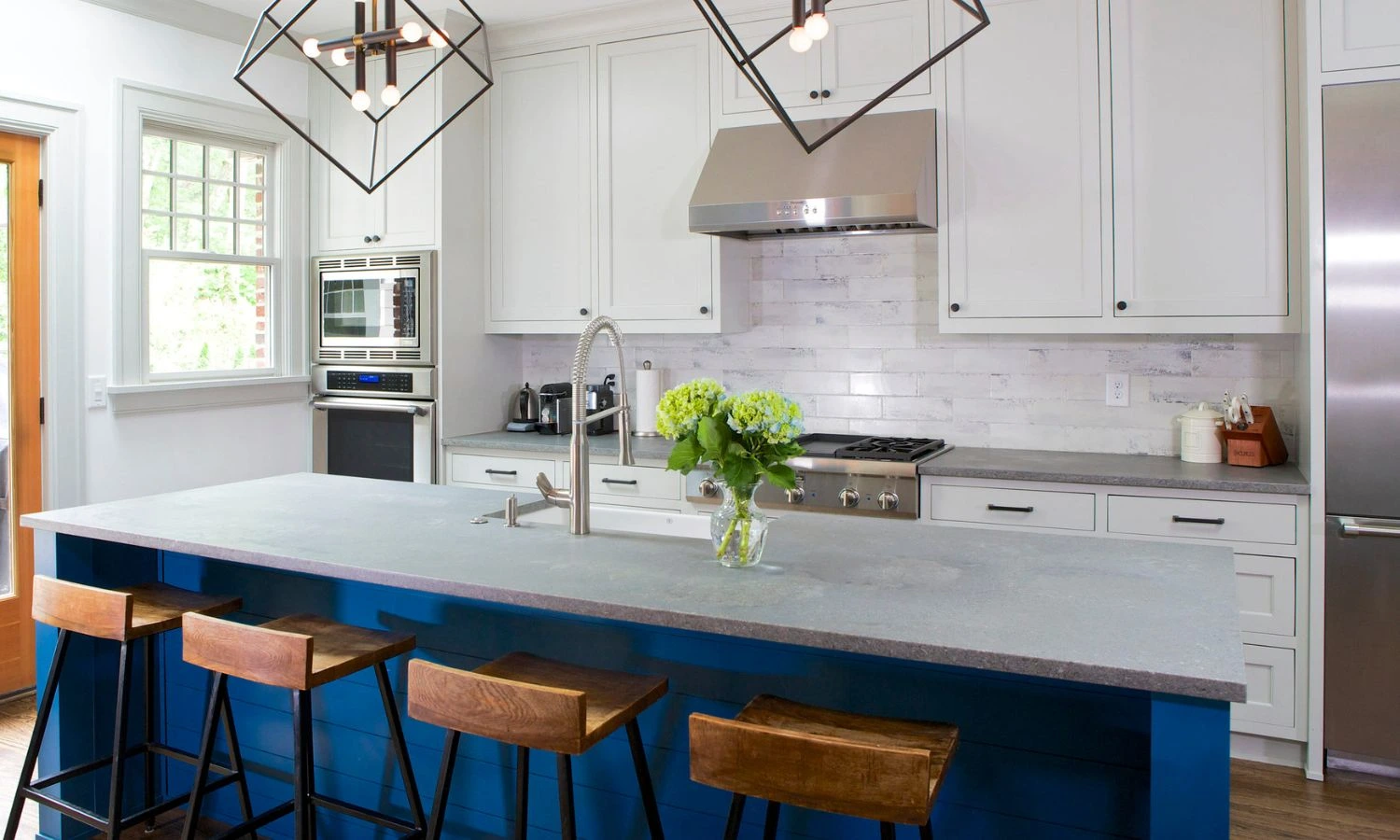
The kitchen has an outsized influence because it is both practical and emotional. Buyers don’t just see cabinets and countertops, they see daily routines: making breakfast, hosting family, helping with homework at the island, and gathering with friends.
It also photographs prominently. For many buyers, the first “showing” happens online, and the kitchen is one of the main rooms they use to judge whether the home feels current.
When a kitchen looks dated or poorly maintained, buyers often over-deduct in their minds. They don’t just estimate the cost of new countertops. They picture the disruption, the uncertainty, and the risk of hidden problems. That perceived risk can show up as:
- Lower offers (even when the home is otherwise solid)
- Stronger repair requests after inspection (because buyers already feel “behind”)
- Longer time on market (buyers wait for a price that reflects the work)
- More price reductions to compete with updated listings
Buyers also pay attention to details that signal quality and care. A kitchen doesn’t need luxury finishes to build confidence, but it does need to feel consistent and well executed. Obvious signs of shortcuts—uneven tile, mismatched hardware, poorly planned lighting, sloppy caulk lines—can make buyers question the rest of the house.
How a Pre-Sale Kitchen Renovation Is Different From a “Forever Home” Remodel
A pre-sale renovation is a positioning decision. It’s meant to increase buyer confidence and reduce objections—without taking on unnecessary scope, cost, or complexity.
That changes the rules:
- Design choices should be broadly appealing. Neutral, cohesive finishes usually perform better than highly personal selections.
- Function matters more than novelty. Buyers respond to workflow, storage, and lighting more than unique features.
- Schedule certainty is part of ROI. If your listing window slips, the financial upside can shrink quickly.
- Craftsmanship is not optional. A “quick update” that looks rushed can hurt buyer trust.
In a long-term remodel, it can make sense to invest in specialized features that fit your lifestyle. In a pre-sale remodel, it’s usually smarter to spend where buyers notice immediately and to keep the finished look aligned with the home’s overall style.
One simple guideline: if you find yourself saying, “I know it’s not for everyone, but I love it,” it’s probably a personal choice—not a resale choice.
3 Renovation Levels (Refresh, Targeted Upgrade, Full Renovation)
Most sellers don’t need a full gut remodel. The right plan is often the smallest scope that meaningfully improves first impressions and removes objections.
1. Light Refresh (Fast, Controlled, High-Impact)
Best when the kitchen functions well but looks tired, dark, or inconsistent. A refresh focuses on presentation, basic maintenance, and a cleaner overall impression.
Common refresh items include:
- Interior paint and touch-up
- Updated cabinet hardware
- New lighting fixtures (and better bulb color/temperature)
- Faucet replacement
- Minor repairs and caulk refresh
- Deep clean + staging
Why a refresh can work: it improves what buyers notice first (cleanliness, brightness, cohesion) with less risk than a larger construction project.
2. Targeted Upgrade (Best Balance for Many Sellers)
Best when the layout works, but the surfaces and details read “dated.” This is where many homeowners land when considering a kitchen renovation San Antonio before listing.
Common targeted upgrades include:
- Countertops (and sometimes sink)
- Backsplash
- Improved lighting plan (ambient + task)
- Selective appliance updates (when current ones pull the room down)
- Flooring updates or repairs (especially if worn or mismatched)
- Cabinet refinishing or refacing (when appropriate)
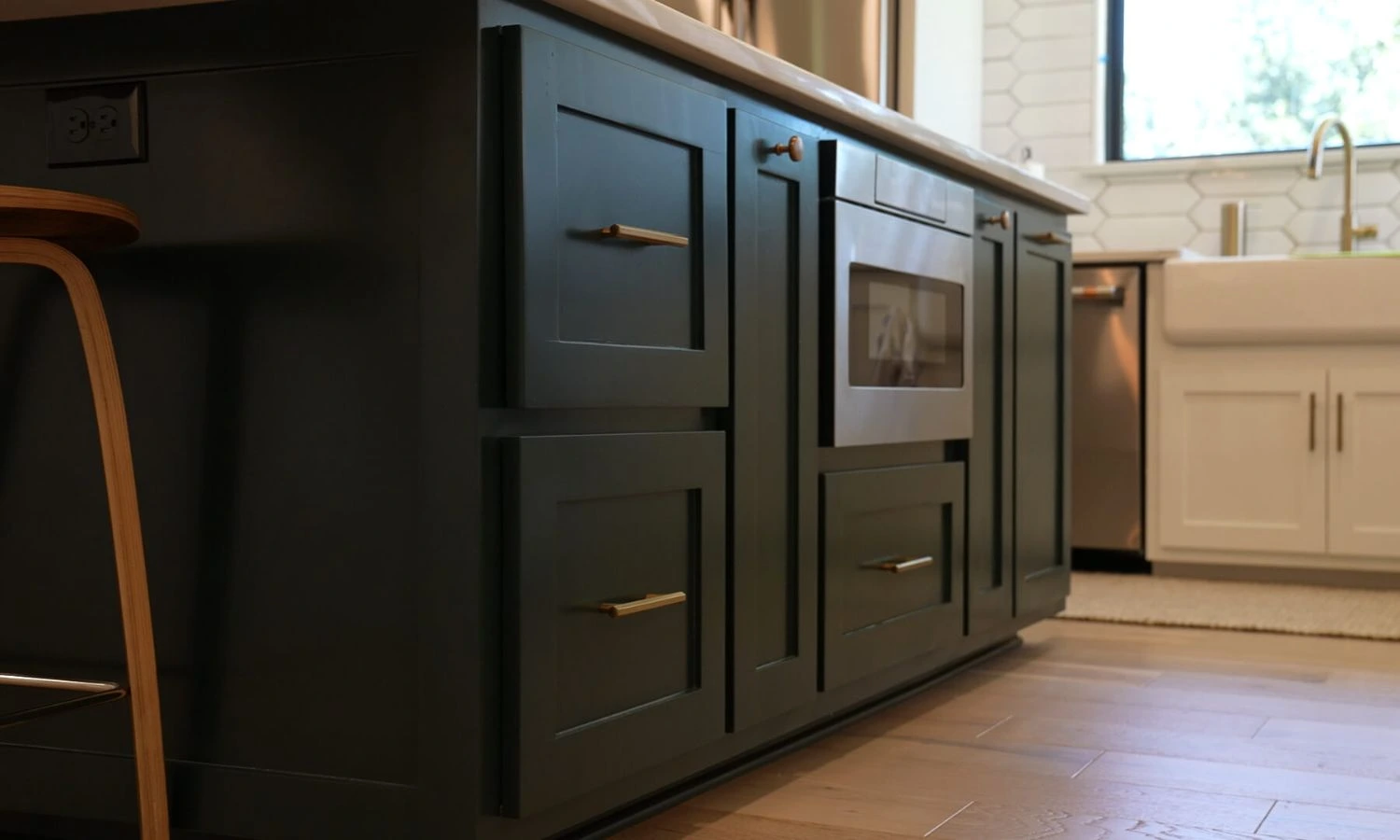
The key is cohesion. Buyers respond best when the kitchen feels intentionally updated—not like a handful of unrelated fixes.
3. Full Renovation (Highest Transformation, Highest Risk)
Best when the kitchen has true functional failures (poor layout, broken cabinetry, inadequate storage), or when the home’s price point demands a more complete update to compete.
A full renovation may include:
- New cabinetry and layout adjustments
- Flooring replacement
- Electrical and plumbing updates
- Appliance relocation
- Comprehensive finish selections
Full renovations create the biggest visual improvement, but they also introduce the most variables—lead times, permitting, trades coordination, and selection decisions. This is where experienced project management matters, especially when you’re working toward a selling deadline.
A Simple ROI Framework to Decide What to Do
You don’t need a perfect formula to make a strong decision—but you do need a structured way to avoid renovating on hope.
Step 1: Identify the Top 1–3 Buyer Objections
Walk into your kitchen like a buyer seeing it for the first time. Ask:
- What looks worn, dated, or neglected?
- What feels dark, cramped, or awkward?
- What looks like it could create inspection findings or repair requests?
Write down the top issues in plain language (for example: “countertops look stained,” “kitchen feels dim,” “cabinet doors don’t align,” “layout blocks traffic”). This list becomes your scope filter.
Step 2: Compare Against Competing Listings
The best ROI decisions are relative. Your kitchen doesn’t need to be the nicest in the city, but it does need to compete in your price range and area. Look at recent listings similar to your home and note the kitchen features that show up repeatedly: cabinet style, counter materials, lighting, and overall feel.
Step 3: Match Scope to the Home’s Overall Condition
Buyers judge the home as a whole. If the kitchen is upgraded but bathrooms, flooring, or exterior condition lag far behind, you can end up with an unbalanced presentation. Strong pre-sale ROI often comes from “closing the gap” between the kitchen and the rest of the home—not creating a single standout room. Strong pre-sale ROI often comes from “closing the gap” between the kitchen and the rest of the home—not creating a single standout room.
Step 4: Choose the Smallest Scope That Removes Objections
This is where many sellers win. If the layout works, you may not need new cabinets. If cabinets are structurally sound, you may not need replacement. If the kitchen feels dark, lighting may outperform more expensive changes.
Step 5: Build in Time for Decisions (Not Just Construction)
Selections and approvals can be the hidden timeline risk. Countertop and cabinet choices, plumbing fixtures, tile, and lighting should be decided early—ideally with material availability in mind. A structured design-build process helps keep design, estimating, and scheduling aligned.
Signs Renovation Is Justified Before You Sell
A kitchen renovation is more likely to pay off when your current kitchen creates a clear barrier to buyer confidence. Common indicators include:
- You’re losing to competing listings. Similar homes show brighter, cleaner, more modern kitchens.
- Visible wear is obvious. Damaged counters, peeling finishes, sagging doors, dated lighting, or worn flooring.
- Function is frustrating. Limited prep space, awkward traffic flow, poor storage, or no clear landing areas.
- The kitchen doesn’t match the home’s price point. A higher-end home with a weak kitchen creates hesitation.
- The rest of the home is already strong. If the kitchen is the main weakness, a strategic update can lift the overall perception.
If you’re hearing similar comments from guests, prospective buyers (in past showings), or your real estate agent, that feedback is valuable. Pre-sale renovation works best when it addresses known objections, not assumed objections.
When a Kitchen Renovation Is Not the Right Move
Sometimes the smartest ROI decision is to avoid major construction and focus on presentation. Consider holding back on a renovation if:
- Your timeline is tight. If you need to list soon, a large project can create schedule risk and stress.
- The rest of the home needs priority repairs. Roofing, HVAC, foundation, windows, or exterior issues can matter more than cosmetic upgrades.
- You’re likely to overbuild. If the neighborhood won’t support a higher price, returns can be limited.
- The kitchen is already “good enough.” In that case, cleaning, minor repairs, staging, and photography may produce a better return.
Also consider the “disruption factor.” If you’re living in the home during the renovation and the process will make daily life difficult, that’s part of the cost—even if it doesn’t show up on a receipt.
San Antonio-Area Considerations (Buyers, Style, Expectations)
Local expectations matter. A kitchen renovation San Antonio decision should account for the kinds of buyers common to the area and what they tend to value in a move-in-ready home.
In San Antonio, Boerne, and Fair Oaks Ranch, many buyers respond strongly to kitchens that feel:
- Bright and well-lit (not cave-like or yellow-toned)
- Functional for families (storage, counter space, logical flow)
- Clean and cohesive (matched finishes, fewer visual distractions)
- Durable (materials that look like they’ll hold up)
- Professionally executed (details that suggest care, not shortcuts)
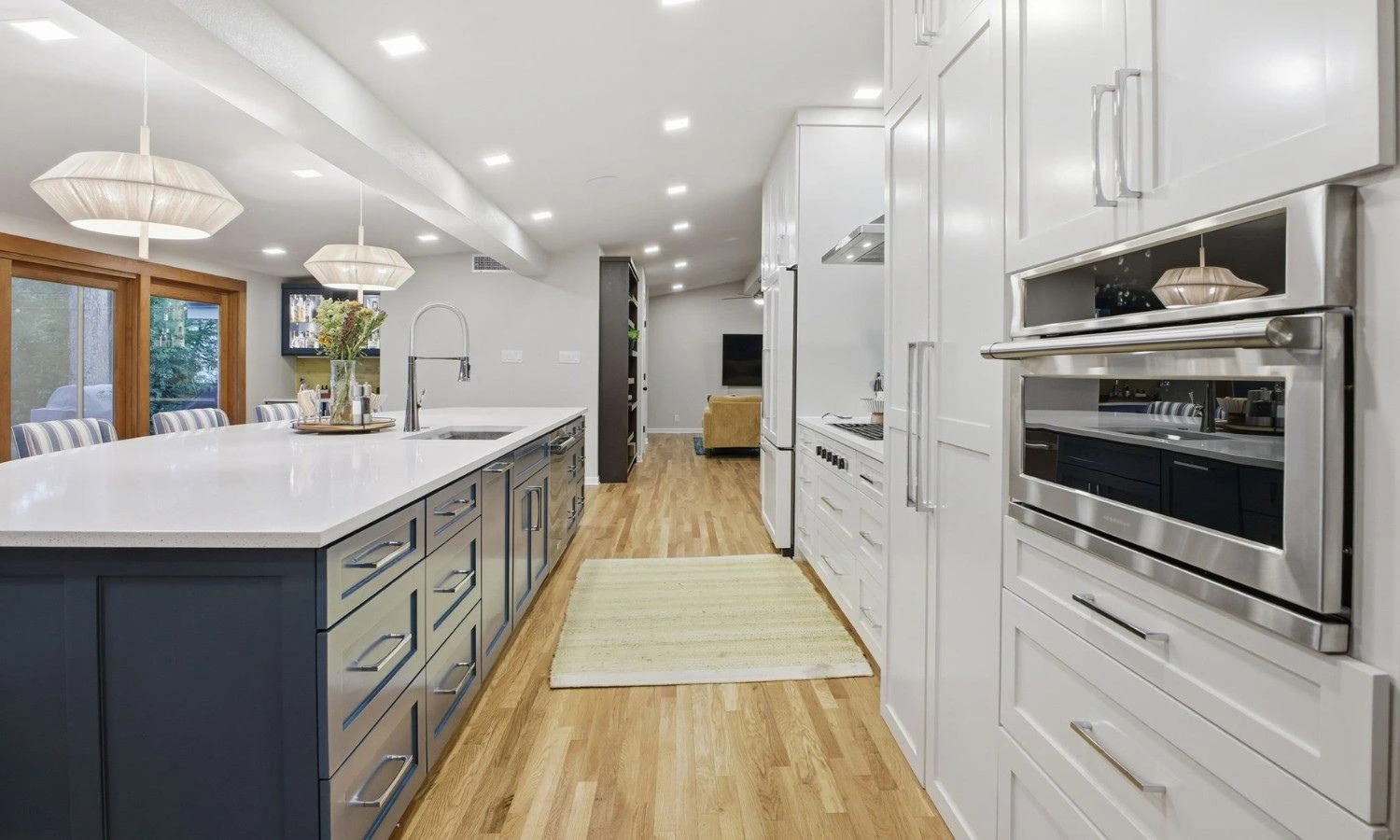
Homes in the area also vary widely in age and style—from established neighborhoods with unique layouts to newer builds with more open concepts. That matters because the “right” kitchen update is not one-size-fits-all. The best plan respects the architecture, keeps the update consistent with the rest of the home, and avoids choices that narrow buyer appeal.
Where Walker Homes & Remodeling Fits
Walker Homes & Remodeling is a family-owned, licensed design-build firm (licensed since 2009) serving San Antonio, Boerne, Fair Oaks Ranch, and surrounding areas. Their work spans:
- Kitchen remodeling
- Bathroom remodeling
- Room additions and home expansions
- Outdoor living spaces
- Custom home building on your lot
For pre-sale decisions, that broader expertise helps keep the conversation practical: what improves buyer confidence most, what fits the home, and what can be executed with clear communication and organized project management.
Upgrades That Usually Move the Needle the Most
For many sellers, the highest-value improvements are the ones buyers understand instantly. If you’re prioritizing ROI, start with the upgrades that improve brightness, cleanliness, and cohesion.
1. Lighting (Often Underestimated)
Lighting affects both the in-person experience and listing photos. A thoughtful mix of ambient and task lighting reduces shadows, improves perceived cleanliness, and helps finishes look intentional.
Practical lighting wins often include:
- Replacing dated fixtures with clean, simple styles
- Improving task lighting at key work areas
- Using consistent bulb temperature throughout the kitchen
2. Countertops + Sink/Faucet
Countertops have major visual weight. When they’re dated or damaged, the kitchen can feel “behind” even if everything else is acceptable. Pairing updated counters with a clean, modern sink and faucet can deliver an immediate lift buyers notice right away.
3. Cabinet Appearance (Not Always Replacement)
Cabinets are one of the first things buyers scan. If cabinet boxes are solid, you may be able to improve the look through refinishing, new doors, or updated hardware. If cabinets are failing, poorly built, or configured in a way that limits storage, replacement can make more sense.
The right approach depends on construction quality, door style, and how well the cabinetry fits the home’s overall price point.
4. Backsplash + Paint for Cohesion
A simple backsplash and fresh paint can unify the room and reduce visual clutter—especially when multiple finishes currently compete for attention. Buyers tend to trust kitchens that look calm, consistent, and easy to maintain.
5. Flooring and Transitions
Worn flooring or awkward transitions can break the move-in-ready impression. Even if you don’t replace all flooring, addressing obvious wear, staining, or mismatched transitions can help the kitchen feel better cared for.
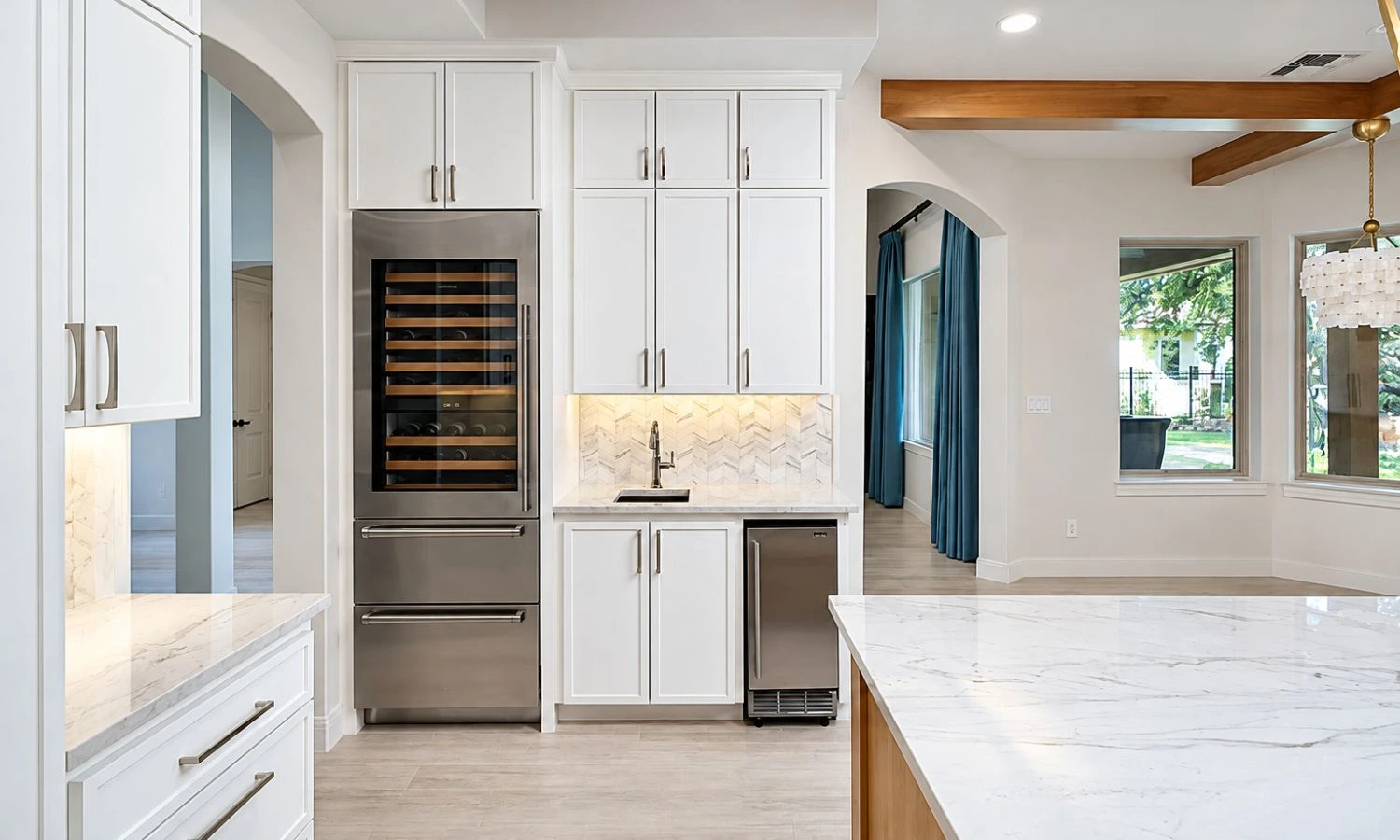
6. Appliance Strategy
Appliances don’t always need to be top-of-the-line, but they should feel appropriate, clean, and consistent. If one outdated appliance pulls the kitchen down, selective replacement can strengthen the overall impression.
Timeline and Planning: What to Do First
Pre-sale renovations go smoother when decisions are made early and the plan is realistic. A practical order of operations looks like this:
- Clarify your target listing window. Work backward to protect the schedule and allow time for cleaning, staging, and photography.
- Decide the renovation level. Refresh vs. targeted vs. full renovation.
- Lock selections early. Cabinets, counters, lighting, plumbing fixtures, and tile should be chosen with availability in mind.
- Coordinate with your agent (if applicable). Align improvements with local buyer expectations and your pricing strategy.
- Plan for the “final 10%.” Punch-list items, touch-ups, and cleanup are what make the work look complete.
Homeowners often overlook that the decision process can be as important as construction time. When selections change late or the scope shifts mid-project, it increases cost and can threaten the listing timeline.
For sellers who want a higher degree of predictability, a design-build approach can be helpful because design, estimating, and scheduling are managed under one coordinated process.
How to Market the Kitchen After the Work Is Done
The renovation only helps resale if buyers understand it. Once the project is complete, focus on clear, credible communication.
- Use specific language. Instead of “fully updated,” describe what was done (for example: new countertops, updated lighting, refreshed cabinetry).
- Invest in professional photography. Capture lighting, work zones, storage, and the connection to adjacent rooms.
- Keep the kitchen staged and simple. Clear counters help buyers focus on the space, not personal items.
- Document the improvements. Keep a simple list of what was updated and when. Buyers and agents appreciate clarity.
A well-presented kitchen supports a cleaner negotiation. Buyers tend to push harder when they see uncertainty, questionable workmanship, or vague claims they can’t verify.
Common (Costly) Pre-Sale Mistakes to Avoid
- Over-personalizing the design. Highly specific colors and features can limit the audience.
- Overbuilding compared to the rest of the home. A high-end kitchen paired with weak bathrooms can feel unbalanced.
- Changing scope midstream. Late changes can strain budget and schedule.
- Choosing materials without lead-time awareness. Delays can impact your listing plan.
- Trying to cosmetic your way out of real problems. Poor layout, failing cabinets, or plumbing issues usually surface during buyer due diligence.
- Rushing the finish work. Details (trim, caulk, alignment, grout lines, paint touch-ups) are what make a kitchen feel professionally completed.
If the goal is buyer confidence, these mistakes matter because they introduce doubt. The highest-performing pre-sale updates look planned, cohesive, and well executed.
Frequently Asked Questions
Should I Remodel My Kitchen or Just Update a Few Things?
Most sellers do best with the smallest scope that removes buyer objections. If the layout works, targeted upgrades (lighting, counters, backsplash, cabinet appearance) often provide the strongest balance of impact and risk.
What If I Can Only Afford One Kitchen Improvement?
Choose the improvement that fixes the biggest negative signal. In many homes, that’s lighting or countertop condition—because buyers register those immediately.
Will a Renovated Kitchen Guarantee a Higher Sale Price?
No renovation guarantees a specific outcome. Strong results come from matching the scope to the market, controlling the budget, protecting the timeline, and executing with professional craftsmanship.
Is It Worth Doing a Kitchen Renovation in San Antonio Before Selling?
It can be—especially when your current kitchen is an obvious weak point versus comparable listings. A well-planned kitchen renovation San Antonio project is typically most effective when it improves brightness, cohesion, and functionality without over-customizing.
Should I Replace Cabinets or Refinish Them?
If cabinet boxes are structurally sound and the layout works, refinishing or refacing can improve appearance while controlling scope. If cabinets are failing, poorly built, or configured in a way that limits storage, replacement may be the better long-term solution—especially for buyer confidence.
Is an Open-Concept Kitchen Always Better for Resale?
Not always. Some homes benefit from improved sightlines and flow, but removing walls can increase complexity and cost. The best resale decision is the one that fits the home’s layout, structure, and buyer expectations in your area.
Conclusion + Next Step
Is a kitchen renovation worth it before selling your home? It can be, as long as the scope is disciplined and tied to buyer expectations. The strongest pre-sale projects are strategic: they remove objections, improve function and presentation, and help the home feel move-in ready—without introducing avoidable cost or schedule risk.
If you’re weighing options and want a clear, professional plan, schedule a consultation with our San Antonio-based team at Walker Homes & Remodeling. We’ll help you evaluate the right scope, selections, and timeline based on your home and your goals.