
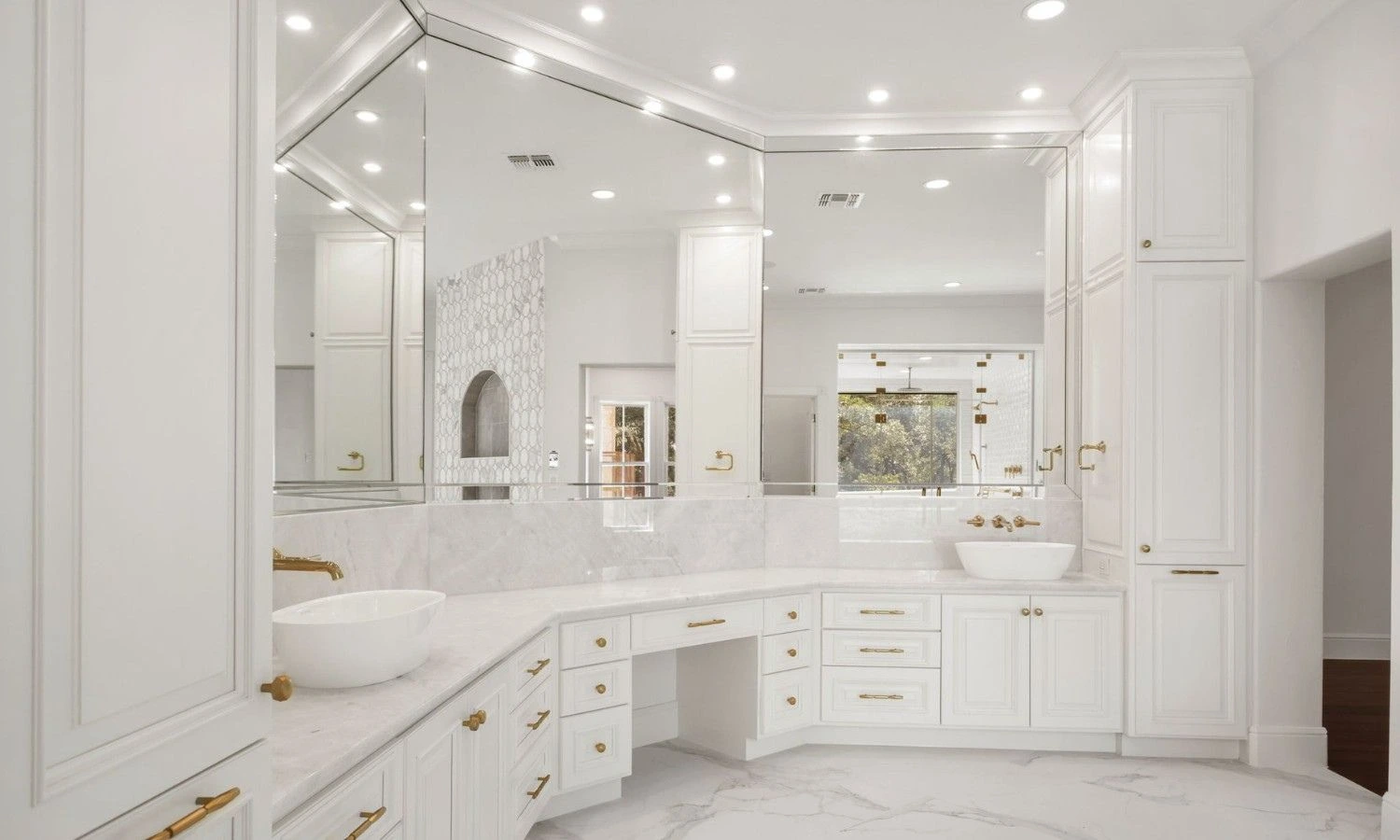
If you’re remodeling with resale in mind, the goal isn’t to impress a buyer with something unique. The goal is to remove doubts. The right San Antonio bathroom renovation choices make the space feel clean, reliable, easy to live with, and worth the asking price.
This guide breaks down the specific bathroom features that tend to increase buyer confidence in the San Antonio market-and the psychology behind why they work-so your upgrade decisions support both daily comfort and future resale appeal.
If you’re also comparing what’s popular right now versus what tends to hold up over time, see our breakdown of bathroom remodel trends in San Antonio for 2026.
Quick Takeaways (For Resale-Focused Decisions)
- Reduce perceived risk: moisture control, clean transitions, and durable surfaces matter more than trendy finishes.
- Make the room feel bigger and brighter: glass, lighting, and mirrors change perceived value fast.
- Design for routines: storage, layout, and shower usability are what buyers “feel” during a walkthrough.
- Keep permanent elements neutral: put personality in accents that are easy to swap later.
Table of Contents
- How Buyers Judge Bathrooms (in 30 Seconds)
- Bathroom Features That Reliably Boost Buyer Confidence
- Layout Upgrades That Beat “Luxury” Upgrades
- Finishes That Feel High-End Without Narrowing Your Buyer Pool
- Lighting and Mirrors: The Fastest Way to Change Perceived Value
- Storage That Makes the Bathroom Feel Effortless
- Showers, Tubs, and What Buyers Expect
- Common Choices That Quietly Hurt Resale Appeal
- A Resale-Focused Bathroom Renovation Checklist
- Working With a Design-Build Team in San Antonio
How Buyers Judge Bathrooms (in 30 Seconds)
Buyers don’t tour bathrooms like contractors. They tour them like people trying to avoid future problems.
In other words, a showing is less like an inspection and more like a stress test of the buyer’s imagination. If the bathroom looks like it will be easy to maintain, they relax. If it looks like it will create work, they start calculating repair costs and negotiating leverage, even if they never say that out loud.
During a walkthrough, most buyers are subconsciously asking:
- Is this clean? (not just “looks clean,” but feels easy to keep clean)
- Is this solid? (does anything look like it will fail, leak, or require repairs?)
- Will this work for my routine? (storage, lighting, shower usability, space to move)
- Will I have to redo this? (dated design and visible wear translate to future expense)
Bathrooms also carry outsized emotional weight. Kitchens can be “lived in.” Living rooms can be “staged.” But bathrooms are expected to be hygienic, private, and dependable. If a buyer sees grout discoloration, poor ventilation, or awkward layout decisions, they often interpret it as a sign the home hasn’t been cared for consistently.
Resale lesson: the strongest bathrooms feel move-in ready. The buyer doesn’t need to imagine a plan. The room already communicates that someone thought through the details.
Bathroom Features That Reliably Boost Buyer Confidence
Below are upgrades that tend to translate well at resale because they align with what buyers notice first: openness, cleanliness, durability, and day-to-day ease. These aren’t the only good upgrades-but they’re consistently effective when the goal is broad appeal.
For more upgrade options that typically translate well at resale, see bathroom remodel ideas that add value to your home.
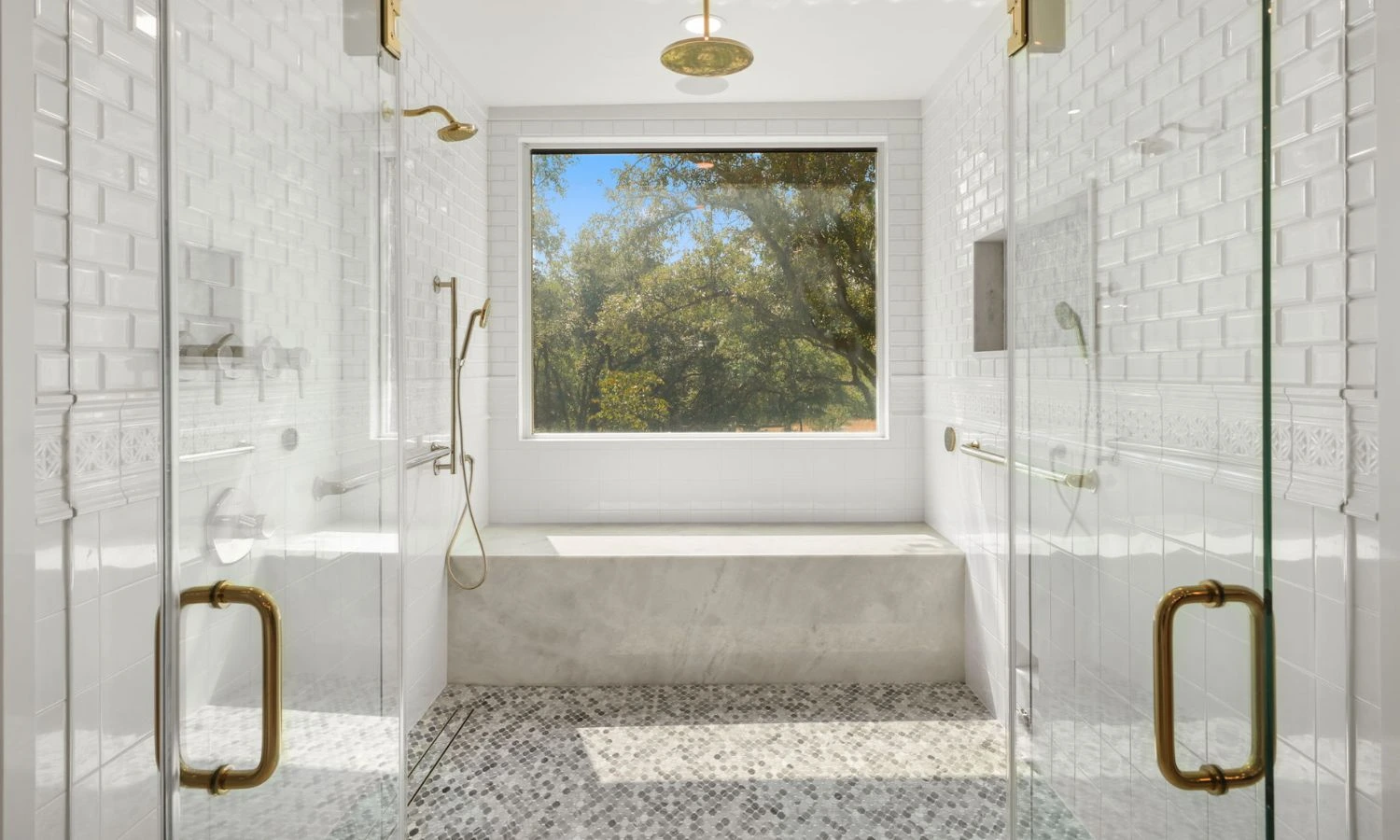
1. Walk-In Showers With Clean Glass Lines
Walk-in showers often photograph well and make a bathroom feel more open. Clear glass increases sightlines, which can make the space feel larger than it is—especially in homes with modest-sized primary bathrooms.
What buyers tend to respond to isn’t only “walk-in shower” as a concept. It’s the execution: a door that moves smoothly, glass that looks substantial, and edges that feel tight and intentional.
- Good for resale: clear glass, simple hardware, and a shower that feels bright
- Potential risk: overly complex tile layouts or hard-to-clean details that suggest maintenance
- Design cue: keep the visual field calm so the shower reads as “space” more than “pattern”
Buyer psychology at work: open sightlines reduce the “small room” feeling and create an immediate impression of modernity and cleanliness.
2. Neutral, Warm Finishes That Look Intentional
Resale-friendly doesn’t mean bland. It means cohesive and easy for a buyer to mentally move into. Warm whites, soft stone tones, and natural wood or wood-look elements tend to feel current without looking overly trendy.
What makes a neutral bathroom feel upgraded is often the combination, not any single material:
- floor + wall tones that complement each other
- consistent metal finishes (for example, brushed nickel throughout)
- tile selections that don’t compete with each other
- trim and paint that look crisp and clean
Buyer psychology at work: neutral permanence feels safer than highly personalized design. Buyers don’t fear style—they fear regret and redo costs.
3. A Vanity That Functions Like Storage (Not Just Furniture)
Buyers respond to bathrooms that feel organized. That usually comes down to whether the vanity supports real routines: getting ready, putting things away, and keeping counters clear.
Small details add up:
- drawer stacks that separate daily items (instead of one large cabinet cavity)
- enough counter space for two sets of toiletries (in a primary bath)
- durable countertop materials that don’t feel fragile or “fussy”
- hardware that feels solid in the hand
Buyer psychology at work: less visible clutter equals “this home is easy to live in.” And “easy to live in” often translates to “worth paying for.”
4. Layered Lighting (Not Just One Ceiling Fixture)
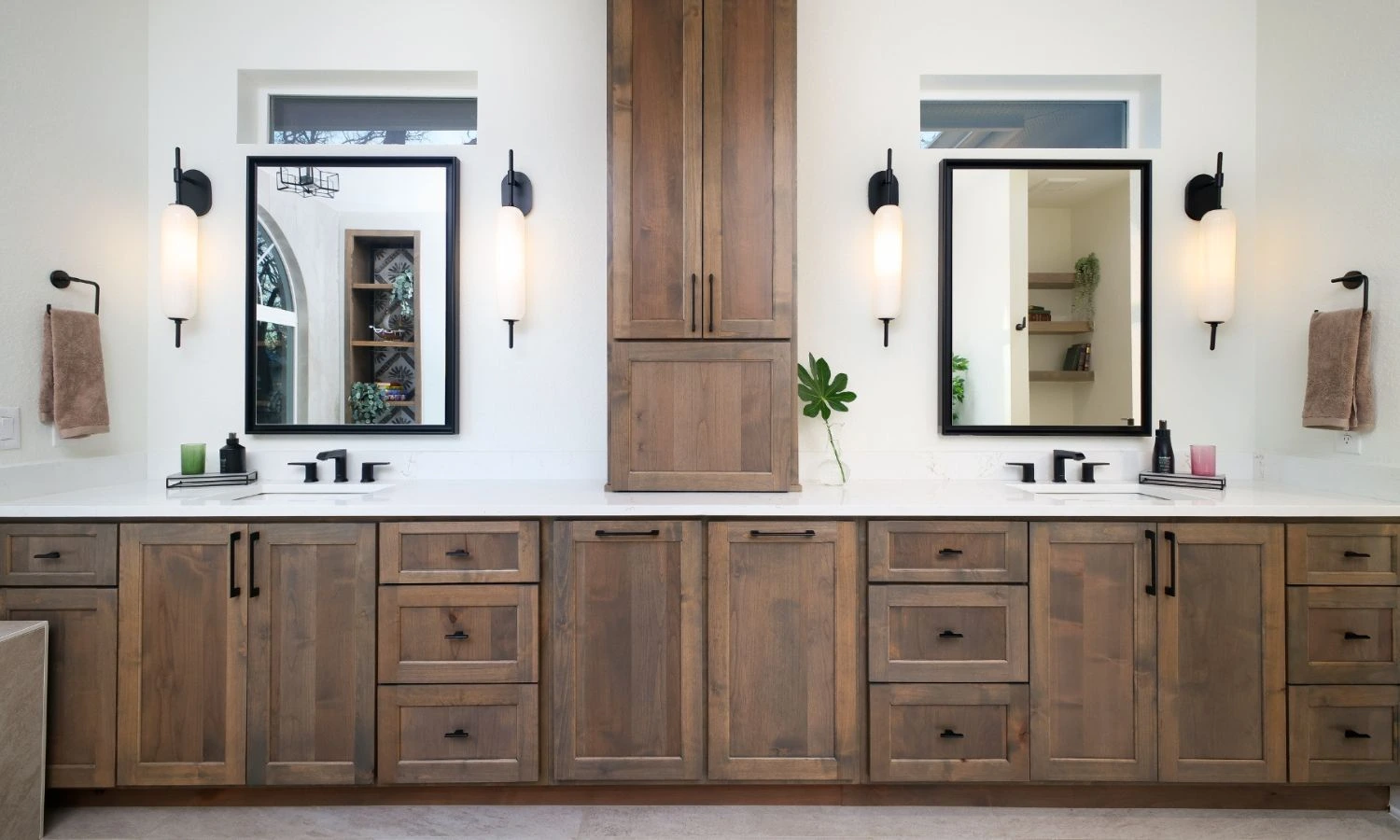
Bathrooms need light for grooming, but they also need light that makes the room feel pleasant. A balanced plan typically includes:
- Ambient light for overall brightness
- Task lighting at the vanity to reduce face shadows
- Optional accent light to add depth (useful in larger primary baths)
If you’ve ever walked into a bathroom that “should” feel nice but somehow feels dull, lighting is often the reason. It changes how tile, countertops, and paint appear—especially in listing photos.
Buyer psychology at work: a bright, balanced bathroom feels cleaner and newer—even when the materials are modest.
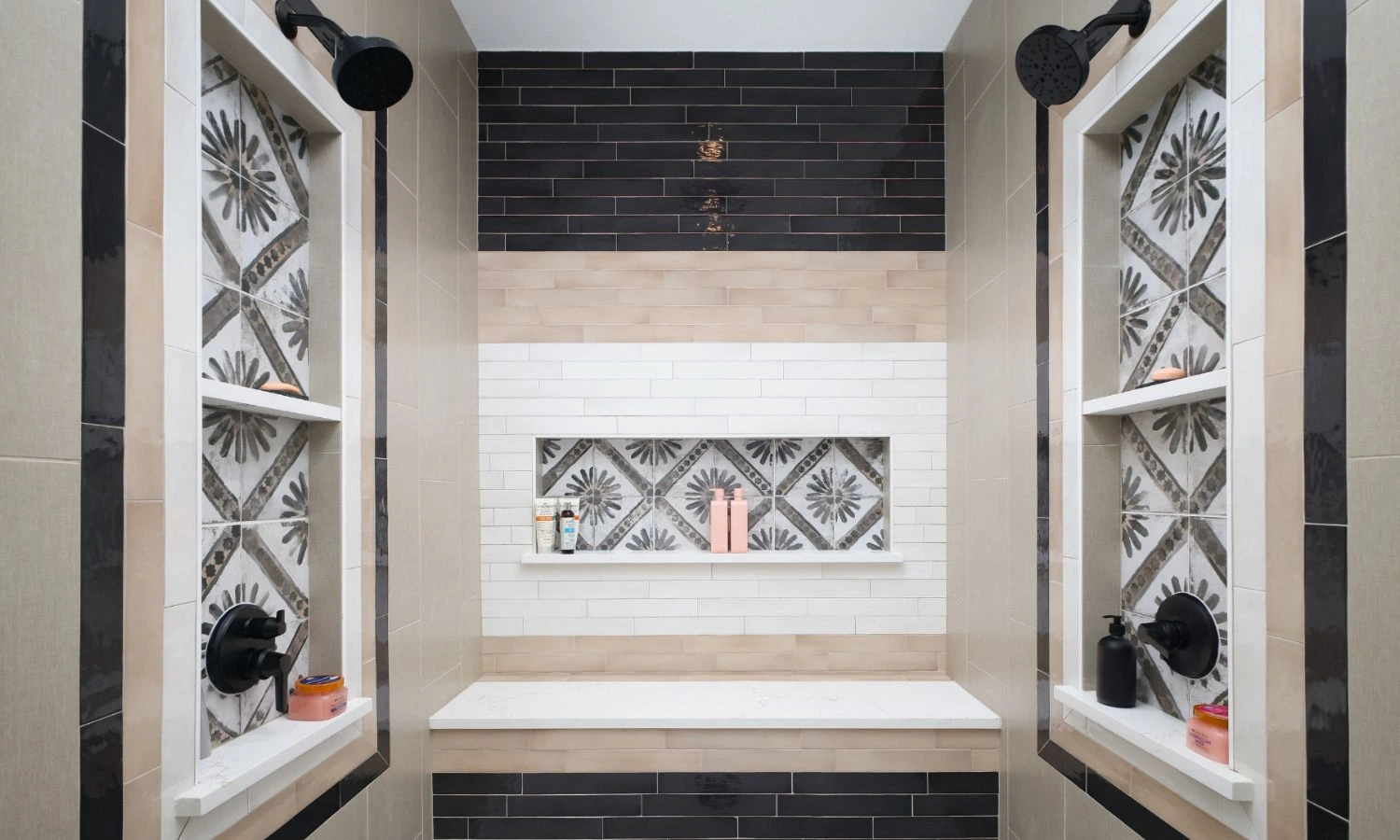
5. Practical Shower Details: Niches, Benches, and Easy Cleaning
Built-in niches, well-placed fixtures, and clean tile transitions don’t just look finished. They make the shower feel planned and comfortable to use.
Practical details buyers tend to appreciate (even if they can’t name them):
- niches at the right height (so bottles don’t sit on the floor)
- ledges and corners that clean easily (fewer grime traps)
- benches that feel purposeful (comfort and safety without looking like an afterthought)
- straight, consistent grout lines that read as quality workmanship
Buyer psychology at work: planned details communicate competence, and competence communicates value.
6. Ventilation That Keeps the Room Fresh (And Signals Good Maintenance)
Ventilation is not a wow feature, but it is a trust feature. Buyers may not ask about fan specs, but they notice fogged mirrors, lingering odors, peeling paint, and signs of moisture at corners and ceiling lines.
Resale-focused ventilation improvements typically show up as:
- a bathroom that smells neutral and feels dry
- paint and caulk lines that look intact
- no visible staining at the ceiling or above the shower
Buyer psychology at work: freshness reduces suspicion. Suspicion reduces offers.
7. Comfort Upgrades That Don’t Feel “High Maintenance”
Some upgrades can add a premium feel without limiting the buyer pool,especially when they’re subtle and practical.
- quiet-close toilet seats and well-chosen toilet placement
- efficient fixtures that still feel strong in performance (buyers don’t want “weak”)
- better acoustics (solid doors, thoughtful layout) in primary suites
- simple smart features (like humidity-sensing fans) when they fit the home’s overall quality level
Resale rule of thumb: comfort upgrades win when they reduce friction, not when they introduce complexity.
Layout Upgrades That Beat “Luxury” Upgrades
Many homeowners default to finish upgrades first: tile, fixtures, paint. But at resale, layout friction can be more damaging than dated finishes.
Here’s why: a buyer can mentally “change the tile.” But if the bathroom feels cramped, awkward, or inconvenient, they experience that problem immediately—during the showing—when emotions and first impressions are strongest.
Common layout issues buyers notice quickly:
- tight clearances around the toilet or vanity
- door swings that block access
- cramped shower entries
- toilets visible from the bedroom entry
- single-sink vanities that limit two-person routines in a primary bath (when space allows for more)
If the budget allows, solving one major layout issue can create more perceived value than upgrading to a higher-end tile.
Practical approach: identify the one thing that makes the room feel “older” or “smaller” than it should. In many bathrooms, that’s a bulky vanity, a poorly placed door, or a shower that visually chops up the room.
Finishes That Feel High-End Without Narrowing Your Buyer Pool
Buyers want a bathroom that feels current and durable. They also want to imagine their own style in the space. That’s why permanent materials should lean timeless—and why contrast needs to be controlled.
Use Personality in “Swap-Able” Items
If you want a stronger design statement, put it in elements that are easier to change later:
- hardware
- mirrors
- light fixtures
- paint (where appropriate)
- decor and accessories
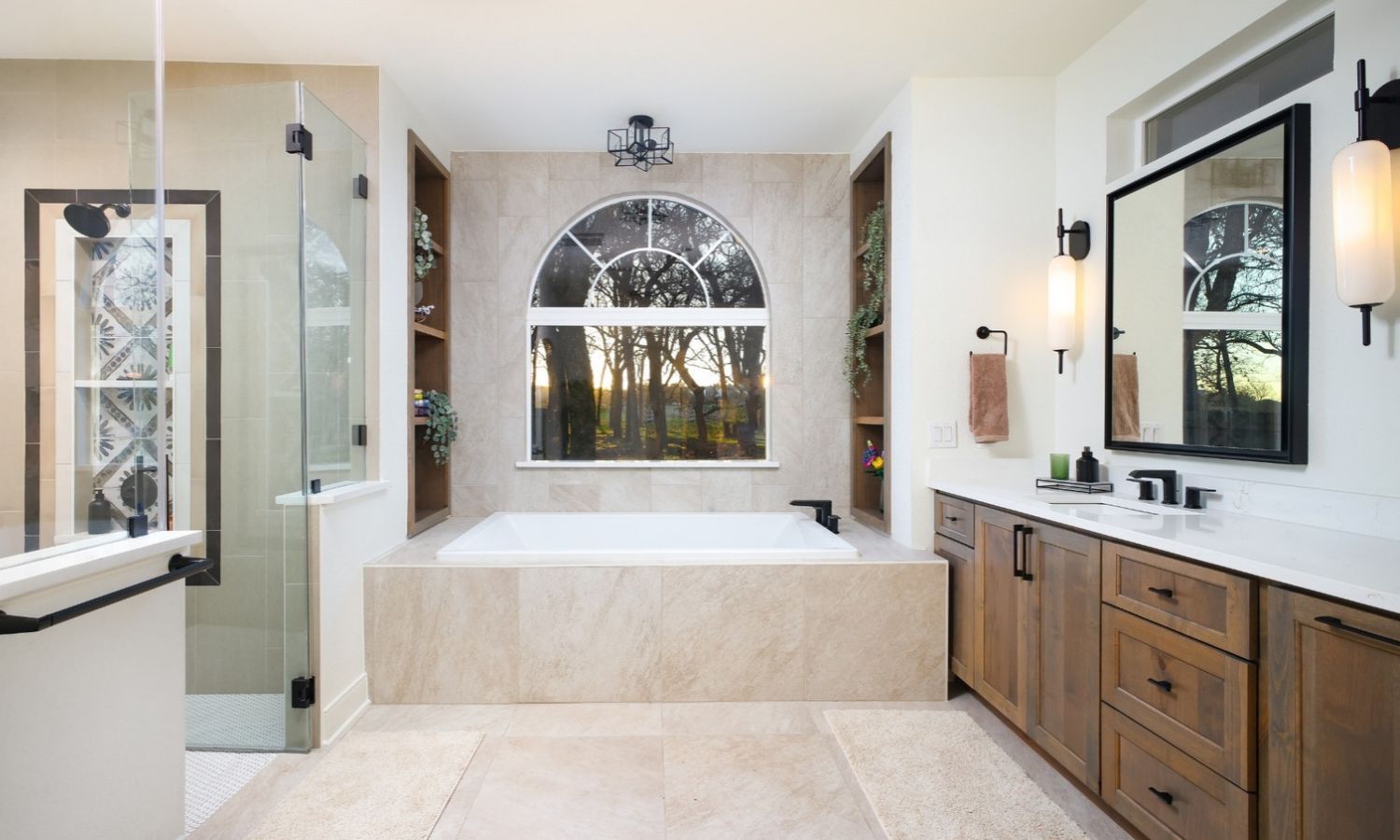
This strategy keeps the bathroom flexible at resale. The next owner can swap style without tearing out expensive materials.
Keep the Big-Ticket Items Cohesive
Tile, countertops, and major plumbing layouts are expensive to redo. When they’re cohesive, buyers read the entire renovation as “done right.” When they clash, buyers read it as “pieced together.”
A helpful rule: if a buyer needs an explanation to appreciate the finish choice, it may be too personal for resale.
Prioritize Durability Signals
Buyers may not know the technical layers behind a great build, but they do notice visual signals of quality:
- straight lines and clean transitions
- consistent caulk and grout
- materials that look appropriate for a wet space
- no “fussy” surfaces that seem hard to maintain
Those cues reduce doubt and support stronger perceived value.
Lighting and Mirrors: The Fastest Way to Change Perceived Value
Lighting and mirrors are resale multipliers because they affect everything else in the room. Even quality finishes can look flat in poor light.
What Buyers Tend to Like
- bright, even lighting at the mirror
- fixtures that feel proportional to the vanity (not undersized)
- mirror shapes and frames that match the room’s overall style
- lighting that makes skin tones look natural (important for daily use)
Mirrors That Increase the Sense of Space
A larger mirror (or two well-proportioned mirrors over a double vanity) can make a bathroom feel wider and more complete. In resale terms, it’s a simple way to make the room feel upgraded without changing the layout.
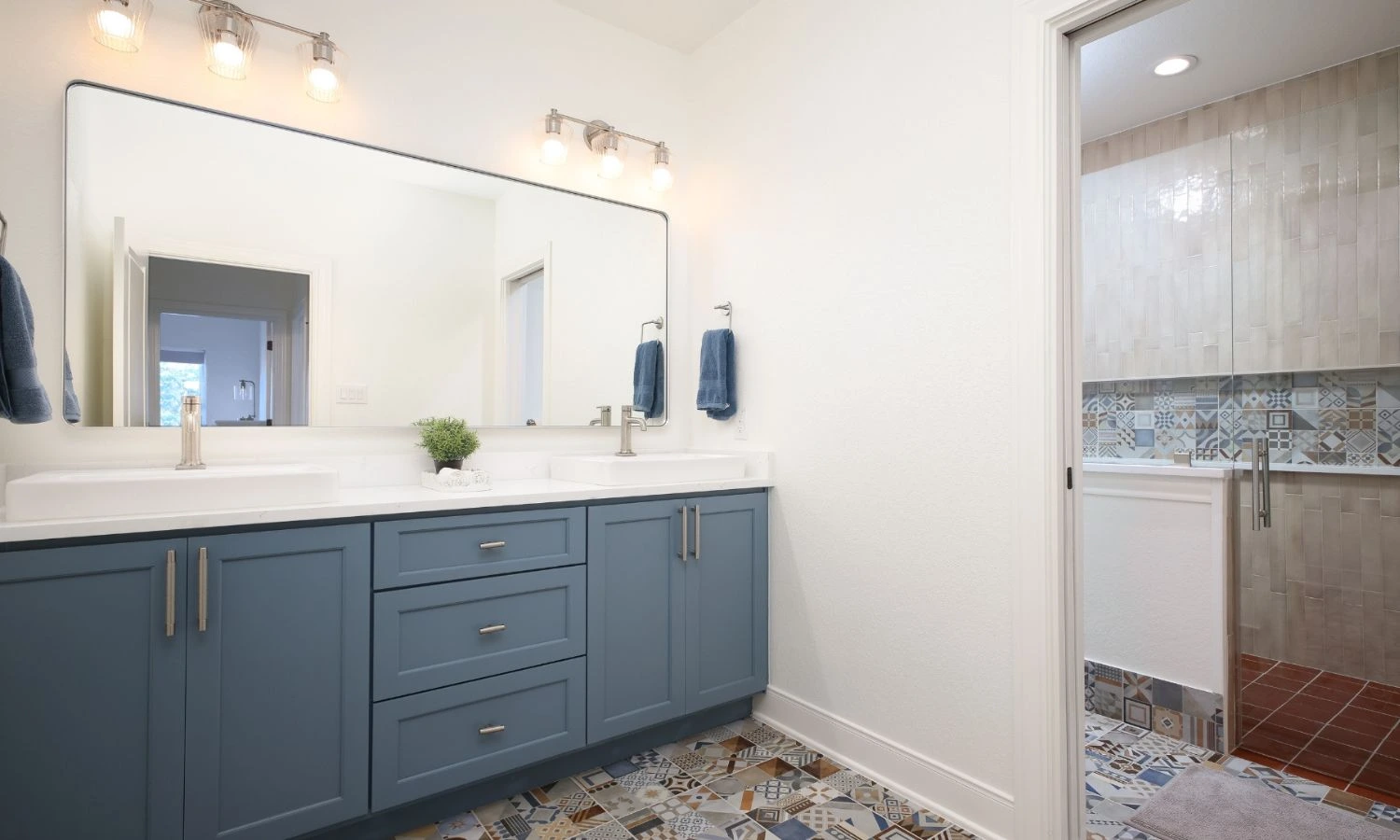
These elements also improve listing photos, which matters because many buyers form opinions before they ever step inside the home.
Storage That Makes the Bathroom Feel Effortless
Storage is one of the easiest ways to increase functional appeal because it reduces “visual noise.” Buyers often interpret visible clutter as a lack of space—even when the bathroom is a reasonable size.
Resale-friendly storage upgrades include:
- vanity drawer stacks (not just cabinet doors)
- recessed medicine cabinets or mirrored cabinets (when appropriate)
- linen storage that doesn’t crowd circulation
- shower niches placed where bottles naturally go
Where possible, storage should be placed where the routine happens. A beautiful linen cabinet doesn’t help much if there’s nowhere to put daily toiletries near the sink.
When storage is planned well, the bathroom feels calmer. Calm spaces tend to feel more expensive.
Showers, Tubs, and What Buyers Expect
There isn’t one right answer for every home. The best choice depends on the property type, neighborhood expectations, and how many bathrooms the home has.
When a Larger Shower Wins
In many primary bathrooms, buyers value a comfortable shower with good lighting, easy access, and clean glass. If a rarely used tub dominates the layout, reclaiming that space can improve daily usability and perceived value.
Shower-focused primary baths typically perform best when the shower feels intentionally designed—not like a tub was removed and something was “added later.” Clear sightlines, good lighting, and a sense of openness matter.
When Keeping a Tub Supports Broader Appeal
If the home is likely to attract families—or if the house has limited bathing options—having at least one tub can preserve flexibility for future buyers (kids, pets, and personal preferences).
The point is to avoid accidental deal breakers. A home can still sell without a tub in the primary bath. But buyers can hesitate if the overall home lacks a tub entirely.
A Practical Decision Filter
- How many bathrooms does the home have? The more bathrooms, the easier it is to dedicate one to “shower-only.”
- Who is the likely buyer? Family buyers often prefer at least one tub option.
- Is the tub currently helping or hurting the layout? If it crowds the room, resale may improve with a better plan.
Common Choices That Quietly Hurt Resale Appeal
Some renovations look impressive on day one but create doubts at resale. Most of these issues fall into one of two categories: (1) the bathroom feels harder to maintain, or (2) the design feels too personal to the current owner.
Common examples:
- Overly personalized tile patterns that dominate the room
- Dark finishes that reduce brightness and make the bathroom feel smaller
- Insufficient lighting at the vanity (especially with high-contrast finishes)
- Low-storage vanities that force clutter onto the countertop
- Upgrades that feel out of sync with the rest of the home’s quality level
- Busy material combinations (too many tile types, competing patterns, mixed metals)
- Hard-to-clean details like excessive ledges, textured tile in wet zones, or awkward glass hardware
These aren’t wrong in every situation. But for resale-focused projects, they can reduce broad appeal or increase perceived maintenance.
A Resale-Focused Bathroom Renovation Checklist
Use this checklist to keep decisions aligned with buyer psychology and listing presentation:
- Buyer fit: Who is most likely to buy this home (families, downsizers, professionals)?
- Layout first: Are there circulation problems, door conflicts, or tight clearances worth fixing?
- Light it well: Do you have bright, balanced lighting at the mirror and in the shower?
- Control moisture: Is ventilation adequate and positioned to keep the room dry and fresh?
- Plan storage: Will counters stay clear during real daily routines?
- Keep permanence neutral: Are tile and countertops broadly appealing and easy to maintain?
- Photograph test: Will the room read as clean, bright, and updated in listing photos?
- Consistency check: Does the bathroom’s level of finish match the rest of the home?
- Detail check: Are edges, transitions, and trim lines clean enough to signal quality?
If you’re planning budget and scope across the whole house, you may find it helpful to review the real cost of a home remodel in San Antonio and our guide to home remodeling projects that add value in San Antonio.
If you want one simple north-star question, use this: Will a buyer feel relief when they walk in? Relief is the emotion that reduces negotiation pressure and increases willingness to pay.
Working With a Design-Build Team in San Antonio
A resale-minded remodel is a balance of design, construction planning, and practical decision-making. That’s where a full-service design-build process helps: you get guidance on layout, materials, and execution, with project management that keeps details aligned from concept through completion.
If you’re curious what that process looks like from first conversation to final walkthrough, see the complete guide to Walker Custom Homes’ design-build process. You can also explore our services and browse our recent work to see the level of finish and craftsmanship we aim for on every project.
Walker Homes & Remodeling is a family-owned San Antonio design-build firm with more than 15 years of residential construction experience. Their team helps homeowners plan bathroom remodels with a focus on craftsmanship, clear communication, and the kind of durable detailing that supports buyer confidence.
In practical terms, that means you’re not choosing tile in a vacuum. You’re making coordinated decisions-layout, lighting, storage, waterproofing approach, and finish selections-that work together and hold up over time.
Conclusion: Build the Kind of Bathroom Buyers Trust
The bathroom features buyers love most aren’t always the flashiest. They’re the upgrades that make the room feel move-in ready, low risk, and easy to live with.
When you plan around buyer psychology—brightness, cleanliness, durability, and routine-friendly function—you reduce hesitation at the showing and strengthen the home’s overall perceived value. That’s the real advantage of a resale-focused bathroom remodel: it helps buyers feel confident faster.
If you approach the project through that lens, your San Antonio bathroom renovation can improve daily comfort now and support stronger resale appeal later.
Schedule a consultation with our San Antonio-based team to talk through layout options, finish selections, and a remodel plan designed for long-term value.